
At first glance, renovation may seem like a local industry driven by design choices and construction work. But occasionally, forces far beyond the job site begin to influence what happens inside a homeowner’s flat. Oil prices, shipping routes, and housing policies can all ripple through the renovation ecosystem in unexpected ways. 
How Global Events and Geopolitics Affect Renovation Costs in Singapore
There are moments in the Singapore renovation industry where you realise we are not just dealing with tiles, paint, and carpentry.
We are dealing with geopolitics.
Over the past few weeks, the headlines have been filled with talk of war and escalating tensions. Oil prices are climbing again, shipping lanes are getting nervous, and supply chains are starting to twitch. If you’ve been in renovation long enough, you know exactly what this means.
Why Renovation Material Costs Are Rising in Singapore
Materials will cost more. Not immediately, but inevitably.
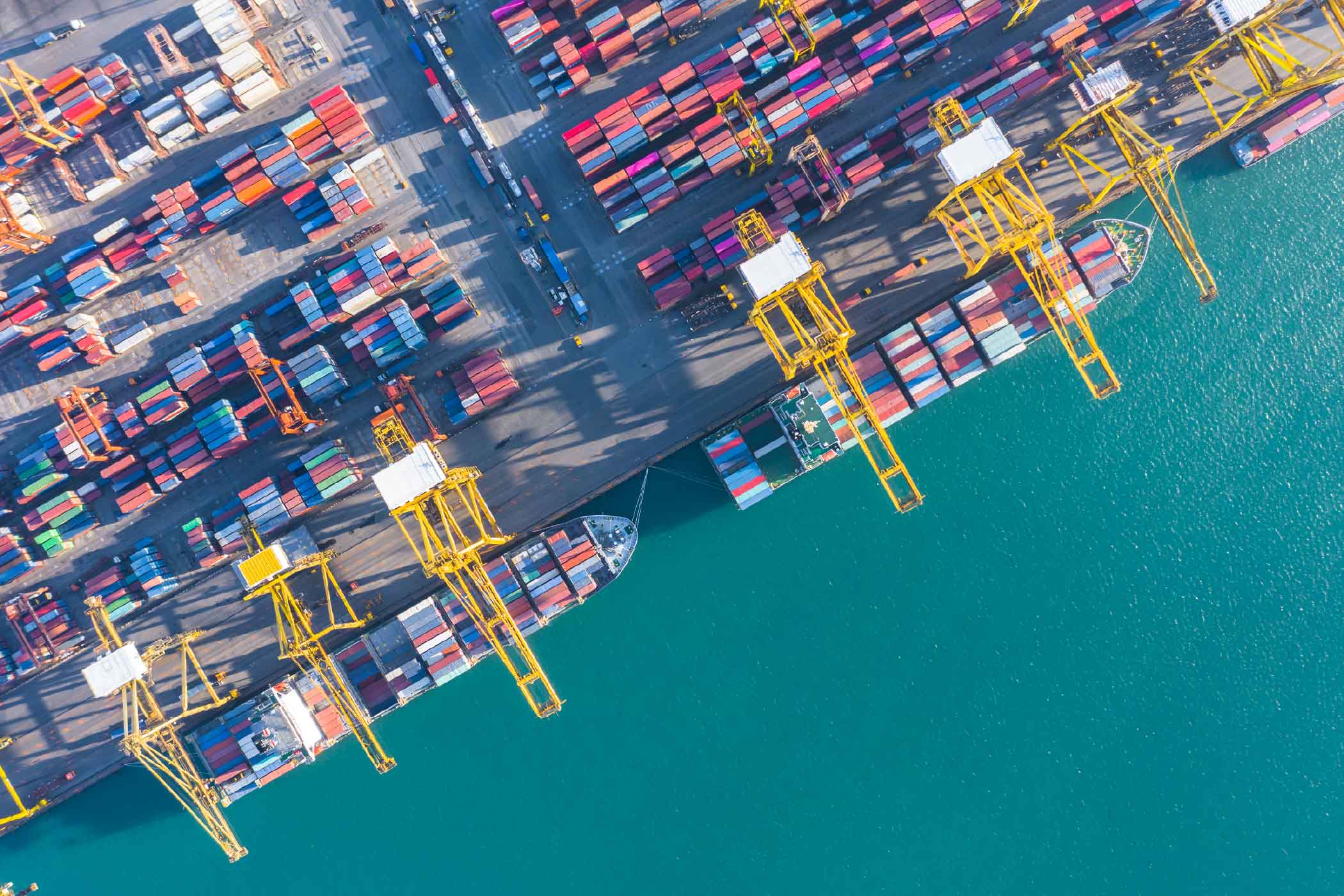
Because renovation is one of those industries quietly sitting downstream of everything else. When oil prices rise, it affects logistics. Logistics affects shipping. Shipping affects the cost of materials.
And by the time a laminate sheet or a kitchen cabinet arrives at a homeowner’s flat in Singapore, that global tension has already been priced in.
The industry has been here before.
During COVID, we saw plywood prices swing wildly, laminates delayed for months, and hardware shipments stuck somewhere between factories and ports. The renovation industry survived, but it wasn’t pretty.
And just as the industry was finding its footing again, another policy change reshaped the landscape.
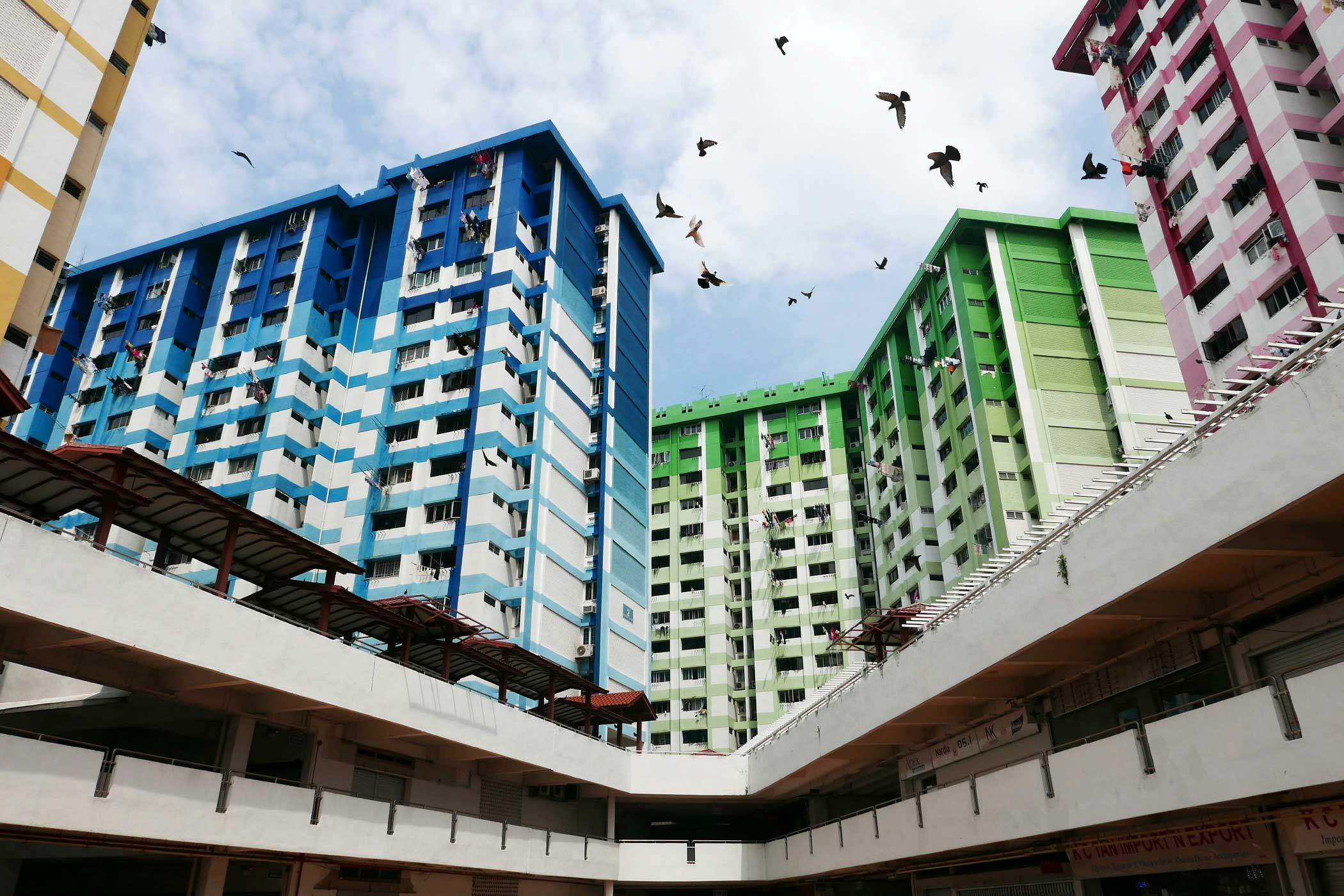
The 15-month wait-out period for private homeowners downgrading to HDB resale flats.
How the HDB Wait-Out Period Affects Singapore’s Renovation Industry
The intention behind the policy was understandable. The government wanted to cool the resale market and ensure fairness for first-time buyers. But like most policies, it created ripple effects.
For the renovation industry, the slowdown was immediate and visible. Private homeowners who might otherwise have moved into resale flats and begun renovation works were suddenly placed in a holding pattern.
Fifteen months is a long time to wait.
That means fewer resale transactions, fewer keys handed over, and fewer renovation projects beginning.
For interior designers, contractors, and suppliers, that translates quite simply into quieter pipelines.
Now, there are signs that the government may be reviewing or potentially removing this wait-out period.
Why the Wait-Out Period Slowed Renovation Projects
If that happens, we may see something interesting.
A release of pent-up movement. Private homeowners who have been sitting on the sidelines may re-enter the resale market. Transactions could pick up again.
And when homes change hands in Singapore, renovation almost always follows.
In that sense, removing the wait-out period may not just benefit homeowners looking to right-size their housing. It could also inject some life back into the renovation ecosystem.
- Interior designers get projects
- Contractors get work
- Suppliers move materials
And the broader economy feels a small but meaningful ripple.
How War and Supply Chains Push Renovation Prices Higher
But of course, this is where the irony sits.
Just as the market might pick up locally, the global situation may start pushing costs upward again.
War pushes oil prices higher. Higher oil prices push freight costs higher. Freight costs push material prices higher.
And suddenly the same renovation that cost $50,000 yesterday starts creeping upward.
So the question many homeowners are quietly asking is this:
“Is it all doom and gloom?”

Why Renovation Demand in Singapore Never Really Disappears
I don’t think so.
Because renovation, unlike many industries, is deeply tied to life stages.
- People renovate when they get married.
- When they have children.
- When they move homes.
- When parents move in.
- Or when they simply decide it’s time to make a space their own again.
Wars may affect prices. Policies may affect timing.
But the fundamental human need to shape the space we live in never really goes away.
If the wait-out period is lifted, the resale market could see a healthy rebound. That rebound would naturally flow into renovation activity across Singapore.
Yes, materials may cost more. Yes, margins may get tighter. But movement in the housing market is always good news for the renovation industry.
And if there is one thing I’ve learned after three decades in design, it’s this:
The industry has survived recessions, pandemics, and property cycles.
A little turbulence is not the end of the story.
It’s just another chapter.
Frequently Asked Questions About Renovation Costs in Singapore
Why do global events affect renovation costs in Singapore?
Many renovation materials are imported. When global tensions increase oil prices or disrupt shipping routes, freight costs rise. These increases eventually affect renovation material prices in Singapore.
How does the HDB wait-out period affect renovation projects?
The wait-out period slows resale transactions for private homeowners moving into HDB resale flats. Fewer property transactions usually mean fewer renovation projects starting.
Will removing the wait-out period increase renovation demand?
Yes. When more homeowners enter the resale market, renovation activity typically increases because most resale flats undergo some form of renovation.
Why do renovation prices fluctuate in Singapore?
Renovation costs depend on several factors including global material prices, shipping costs, labour availability, and local housing policies.
How can homeowners estimate renovation costs before starting a project?
Homeowners can use tools such as renovation cost calculators or compare multiple interior designers before committing to a project. Understanding the potential budget range early helps reduce surprises later in the renovation process.