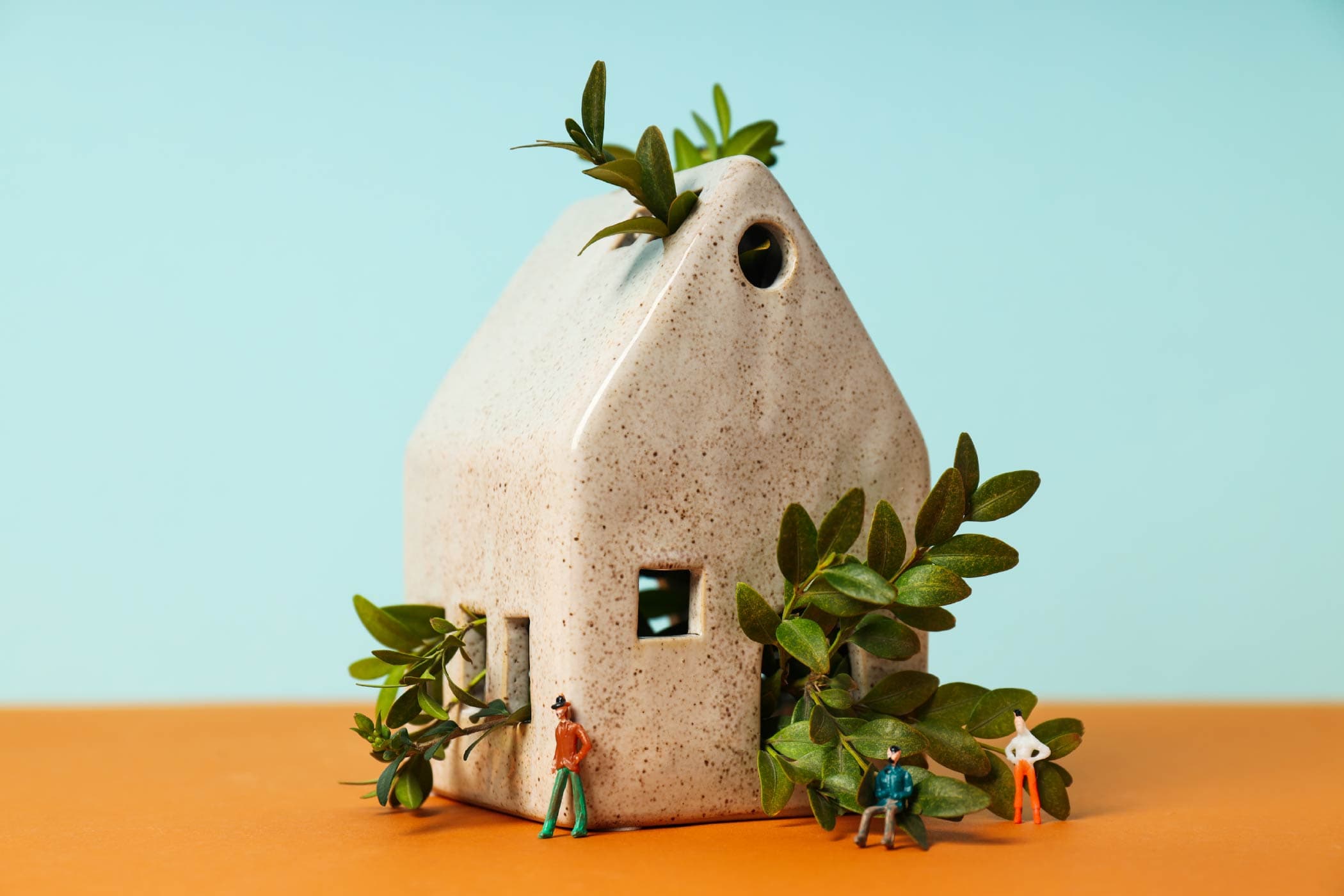
In Singapore, living sustainably is more than a hashtag. LED lighting, water‑efficient fittings and pockets of greenery are now key features homeowners want in their homes. But green renovation in an HDB flat can be surprisingly complicated when you consider structural rules, plumbing requirements and electrical safety standards.
The key to a successful eco-friendly renovation is understanding what’s allowed, what isn’t and how to make green features work within the rules. This is not about discouraging greener homes. It is about understanding how to make those sustainable upgrades in a compliant way that brings joy — not headaches.
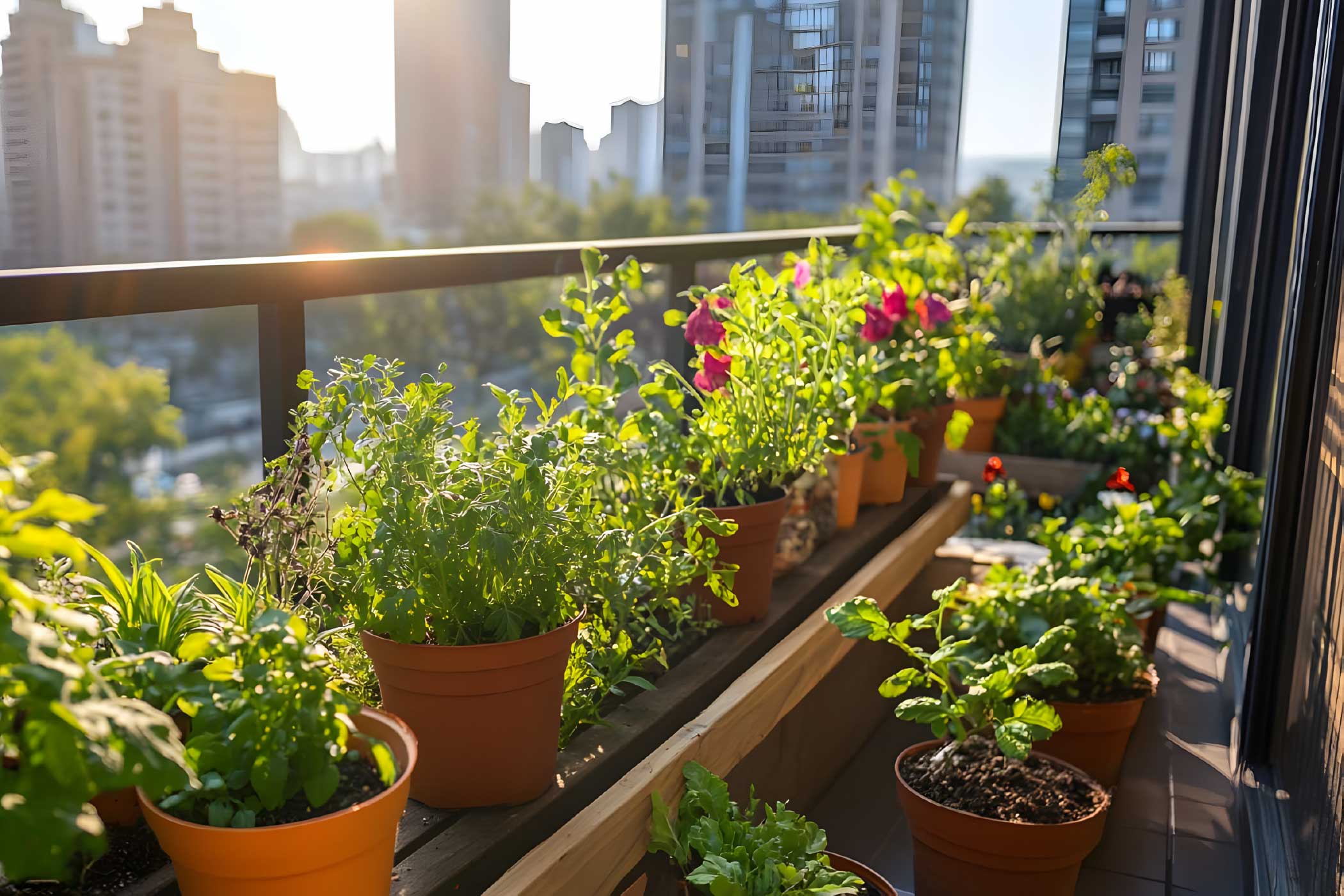
Balconies and Plants: Soft Greenery, Strong Rules
Plants are a popular way to make a home feel livelier and healthier. In fact, many homeowners use greenery to break up clean lines and add life to indoor spaces.
Furthermore, when it comes to plants, balconies are often a first thought of a home garden. Vertical gardens, planters and small potted trees can bring nature into dense city living. Hence, it is crucial to understand the regulations and how you can stay compliant while embracing greenery.
- Permanent balcony modifications or drilling into walls are not allowed.
- Adding heavy structures can affect the building’s façade or structural integrity.
- Altering balcony flooring is strictly prohibited.
Practical solutions:
- Use lightweight, movable planters and modular vertical gardens.
- Keep all greenery within the balcony floor or railing space.
- Avoid any permanent fixtures or structural alterations.
Plants Along Housing Corridors: Rules You Need to Know
However, in Singapore, not all HDB flats come with balconies. For homeowners looking to bring greenery into their home, placing plants along the corridor outside their unit can be a practical alternative.
Since corridors are considered common property, any items placed there must comply with HDB safety and accessibility regulations.
Key points to keep in mind:
- Corridors must remain clear for residents and emergency access.
- Unauthorised items may be removed and repeated violations could result in fines.
- Safety hazards such as heavy pots falling, water spillage or blocked walkways are serious concerns.
Safe alternatives:
- Keep plants inside your flat or use HDB-approved planter boxes in designated areas.
- Participate in community gardening programs where available.
- Use lightweight, spill-proof pots if engaging in approved corridor projects.
Plants can still be part of your design without breaking rules and incorporating them thoughtfully can support better air quality and aesthetics. Furthermore, when done correctly, both you and your neighbours can enjoy corridor greenery without violating rules.
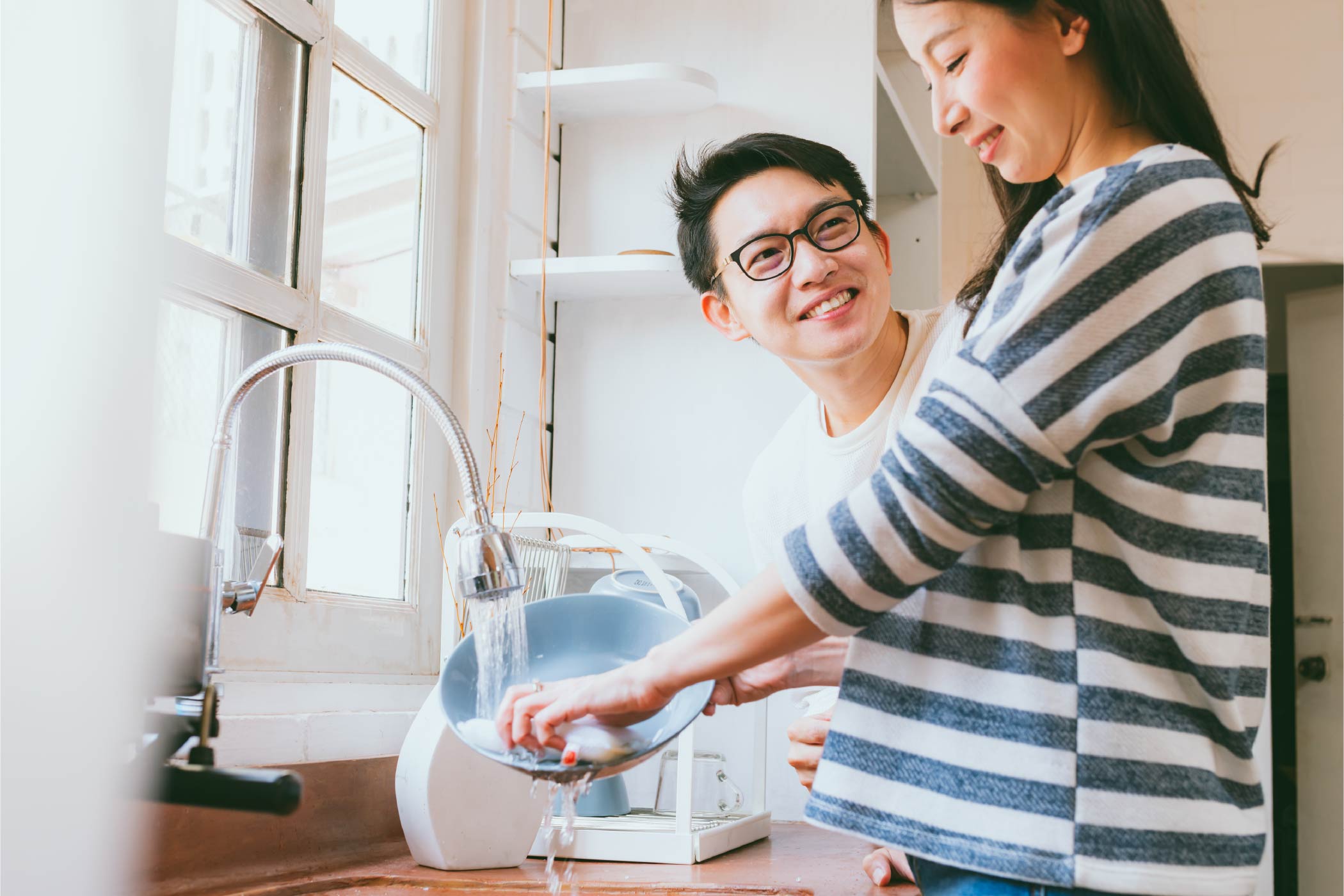
Water‑Saving Fixtures: Eco Benefits Without Plumbing Pitfalls
Water conservation is another simple but impactful way to green your home. Installing low‑flow taps, dual‑flush toilets and efficient showerheads can reduce water use and utility bills.
However, not all water systems are created equal in an HDB home. Major plumbing reroutes, greywater recycling systems, or rainwater harvesting connected to building pipes require HDB and PUB approval because they impact common plumbing infrastructure.
Here are practical, compliant approaches:
- Use HDB‑approved water‑efficient fittings that don’t alter plumbing layouts.
- Position independent rainwater collection containers on your balcony or utility area without tying into main building pipes.
- Engage licensed plumbers for any modifications that go beyond surface‑level installations.
This way, you achieve meaningful water savings without risking compliance issues or penalties.
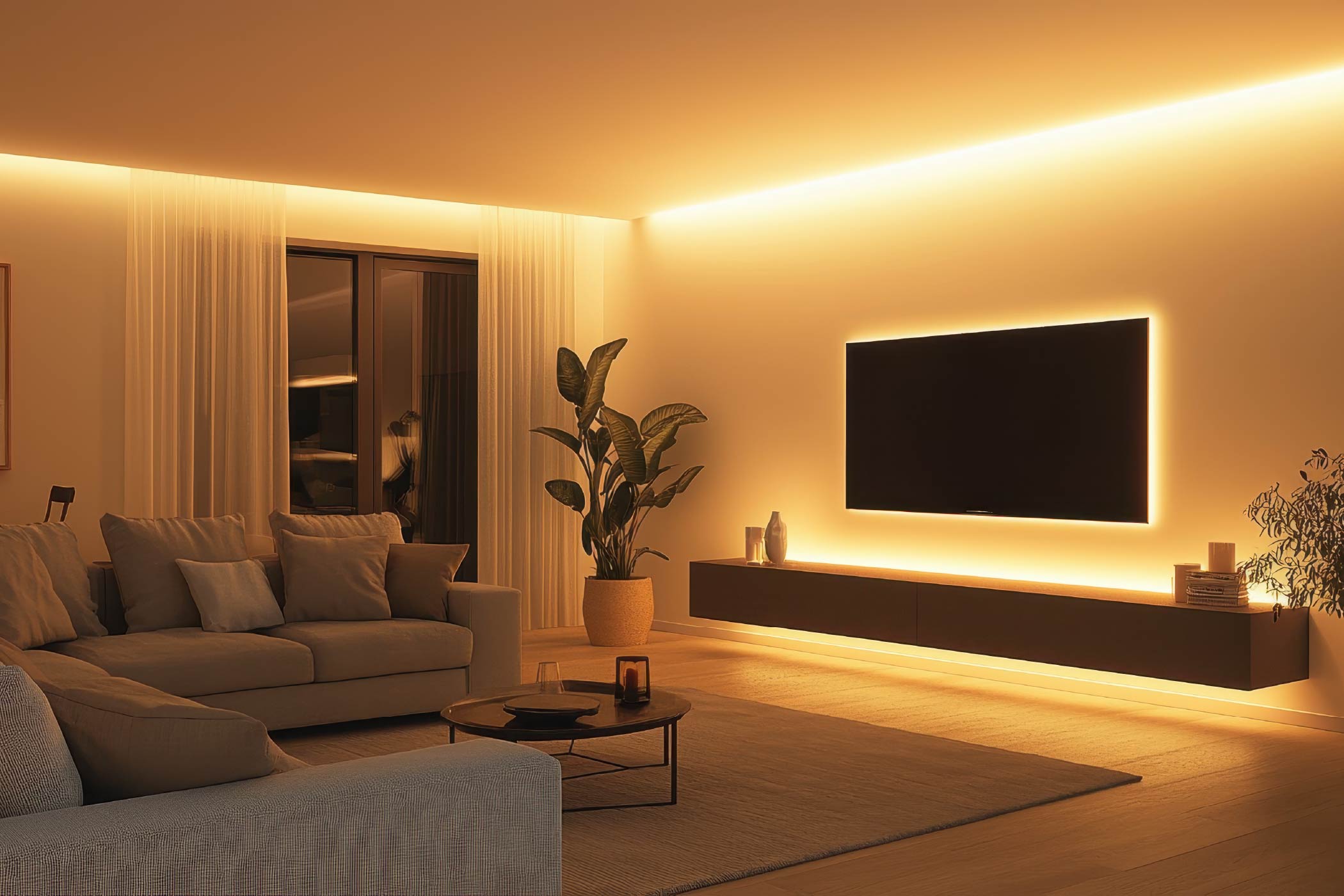
Energy‑Efficient Lighting and Appliances
Swap mercury lamps for LEDs and add plug‑in smart appliances, and your home becomes more energy efficient with little fuss. But electrical rewiring, new circuits, or adding solar installations require careful planning and possibly HDB approval.
To keep renovations both green and compliant:
- Choose plug‑in LED lighting and smart devices rather than hardwired replacements that require rewiring.
- Use appliances and fixtures that are HDB‑approved and designed for residential spaces.
- For any rewiring or major upgrades, hire a licensed electrician and ensure proper approval processes.
Products like Energy‑Efficient LED Panels and Smart Lighting Systems are great starting points for eco‑friendly electrical upgrades that are easy to install and safe for HDB homes.
Sustainable Materials
Green materials such as paints that destroys formaldehyde, FSC‑certified wood, recycled tiles, or bamboo flooring are excellent for sustainability and indoor air quality. These materials are generally allowed in HDB flats. The common pitfall comes when homeowners interpret “eco upgrade” as structural change. For instance, removing ceilings or walls to install insulation, which can violate building rules.
To avoid problems:
- Focus on non‑structural upgrades like modular partitions, decorative green walls, or indoor planters.
- Always check that your chosen materials are approved for residential use and meet safety standards.
- Pair green design elements with smart layout planning so they enhance your home without affecting compliance.
How to Make Eco‑Friendly Renovation Work for You
Going green in an HDB renovation doesn’t have to be intimidating or complicated, it is entirely achievable once you understand your sustainability goals and the regulatory boundaries. With practical planning, the right products, and professional guidance, your home can be greener without compromising safety or compliance.
Focusing on low-impact upgrades such as LED lighting, water-saving taps, indoor greenery, and sustainable materials can bring tangible environmental benefits while enhancing day-to-day living — all without risking fines or delays.
If you are looking for trusted guidance, consider working with our green-certified preferred partners, who are experienced in sustainable renovations and fully compliant with HDB regulations.