Every Budget season, Singaporeans listen carefully. This year, when PM Lawrence Wong delivered Budget 2026, one thing was clear:
This is not a “go out and splurge” year.
This is a “tighten, stabilise, strengthen your buffer” year.
For homeowners planning a budget renovation in Singapore in 2026, the message applies just as strongly.
Budget 2026 Is About Stability. Your Renovation Should Be Too.
Yes, there are offsets. Yes, there is targeted support. Yes, there are sustainability pushes and productivity upgrades.
But the undertone is unmistakable:
- Global volatility is not going away.
- Labour isn't getting cheaper.
- Supply chains are being restructured.
- Middle-income households must protect liquidity.
- The Government is building national resilience.
You should be building renovation resilience.

Renovation Isn’t More Expensive. Your Margin For Error Is Smaller.
Let’s be honest. Renovation in 2026 doesn’t feel expensive because tiles suddenly doubled. It feels expensive because:
- cashflow is tighter
- financial visibility matters more
- mistakes cost more emotionally and financially
Renovation cost in Singapore in 2026 has not spiked dramatically. But financial tolerance has narrowed.
If you are unsure where your numbers stand, using a renovation cost estimator can help you understand realistic renovation cost ranges before committing to scope.
In 2023, a bad lighting decision was annoying. In 2026, a coordination failure can derail your liquidity planning.
That’s the difference.
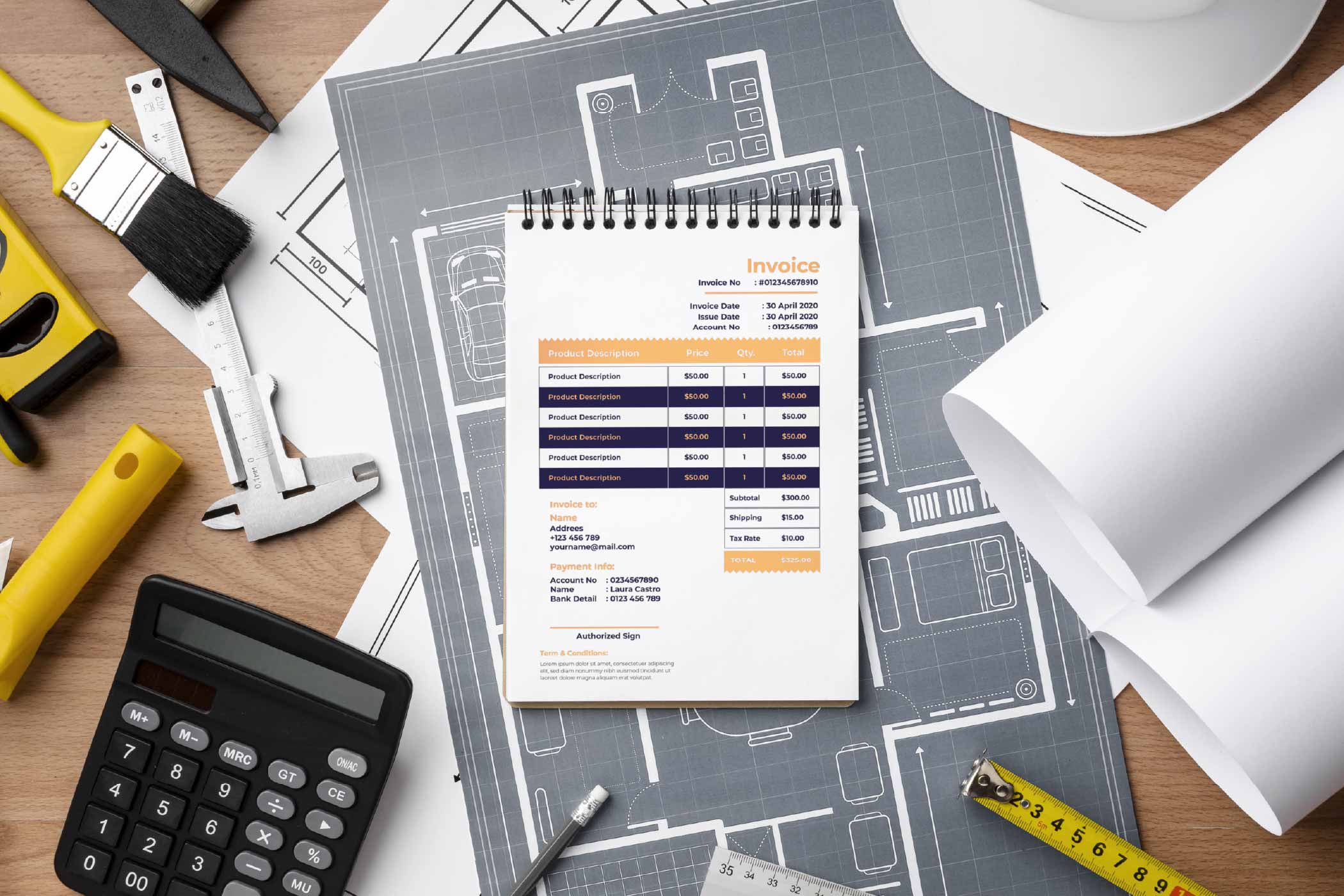
Budget Renovation in Singapore Does Not Mean Cheap Renovation
If your definition of “budget renovation” is:
- chase lowest quote
- grab biggest bundle
- sign fastest deal
You are not budgeting. You are gambling.
Budget renovation in 2026 means:
- scope discipline
- documented decisions
- strategic trade-offs
- protecting fundamentals first
The Government isn’t cutting recklessly. It’s allocating intentionally. Why should your renovation be any different?
Budgeting properly also means speaking to the right professionals. Instead of chasing the lowest quote blindly, compare interior designers based on fit, experience and scope clarity.
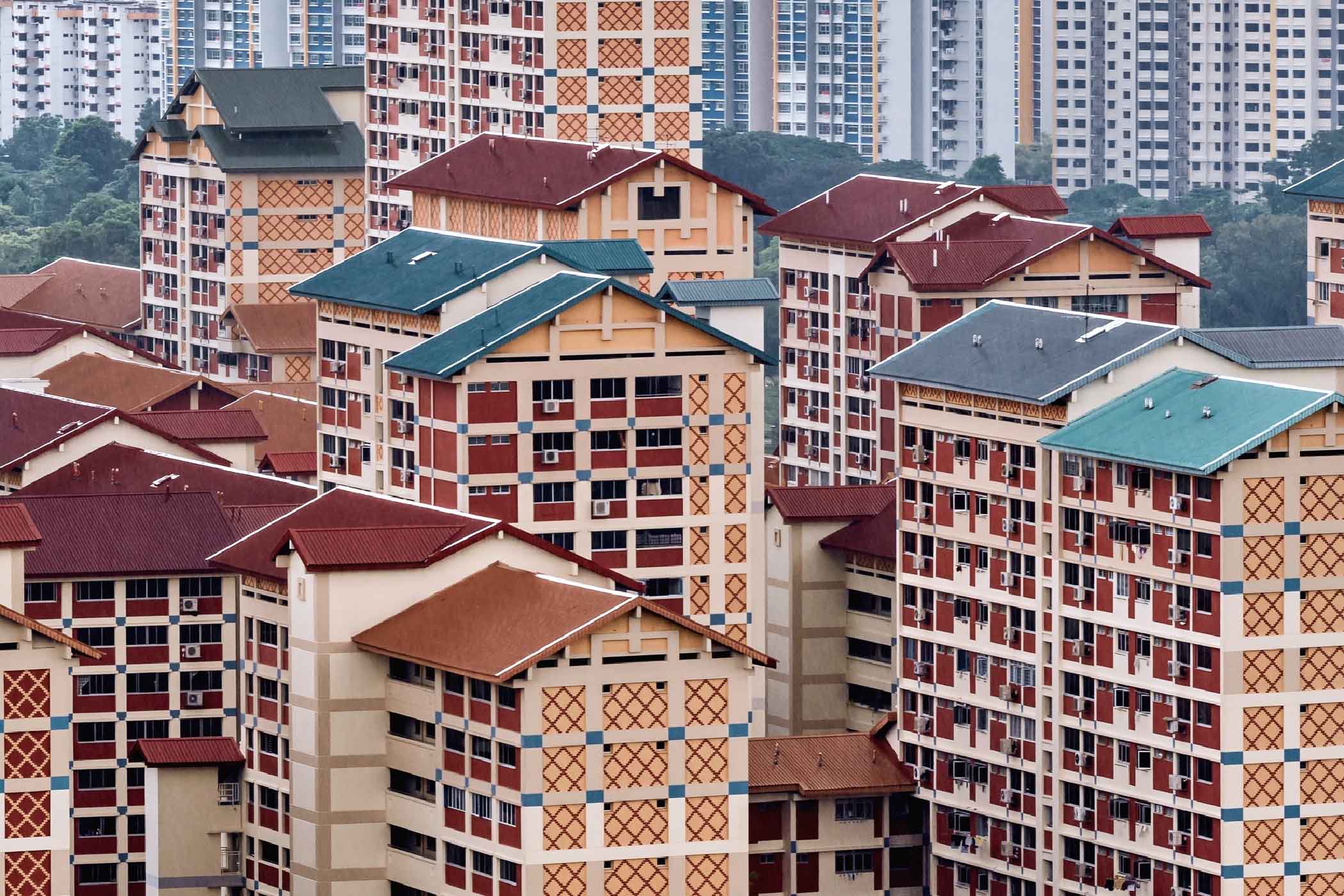
The Rise of Hybrid Renovation in Singapore
Hybrid renovation in Singapore is no longer a trend. It is becoming a tactical approach to managing renovation cost in 2026.
Yes, homeowners are mixing:
- local core works
- overseas furniture
- Taobao/Lazada lighting
- Shopee soft furnishing accessories
- local installers
Hybrid is not about being cheap. It is about redistributing where margin sits.
In 2026, homeowners are:
- more design literate
- less intimidated by sourcing
- more aware of markup structures
- less willing to overpay for convenience
Confidence has replaced blind trust.
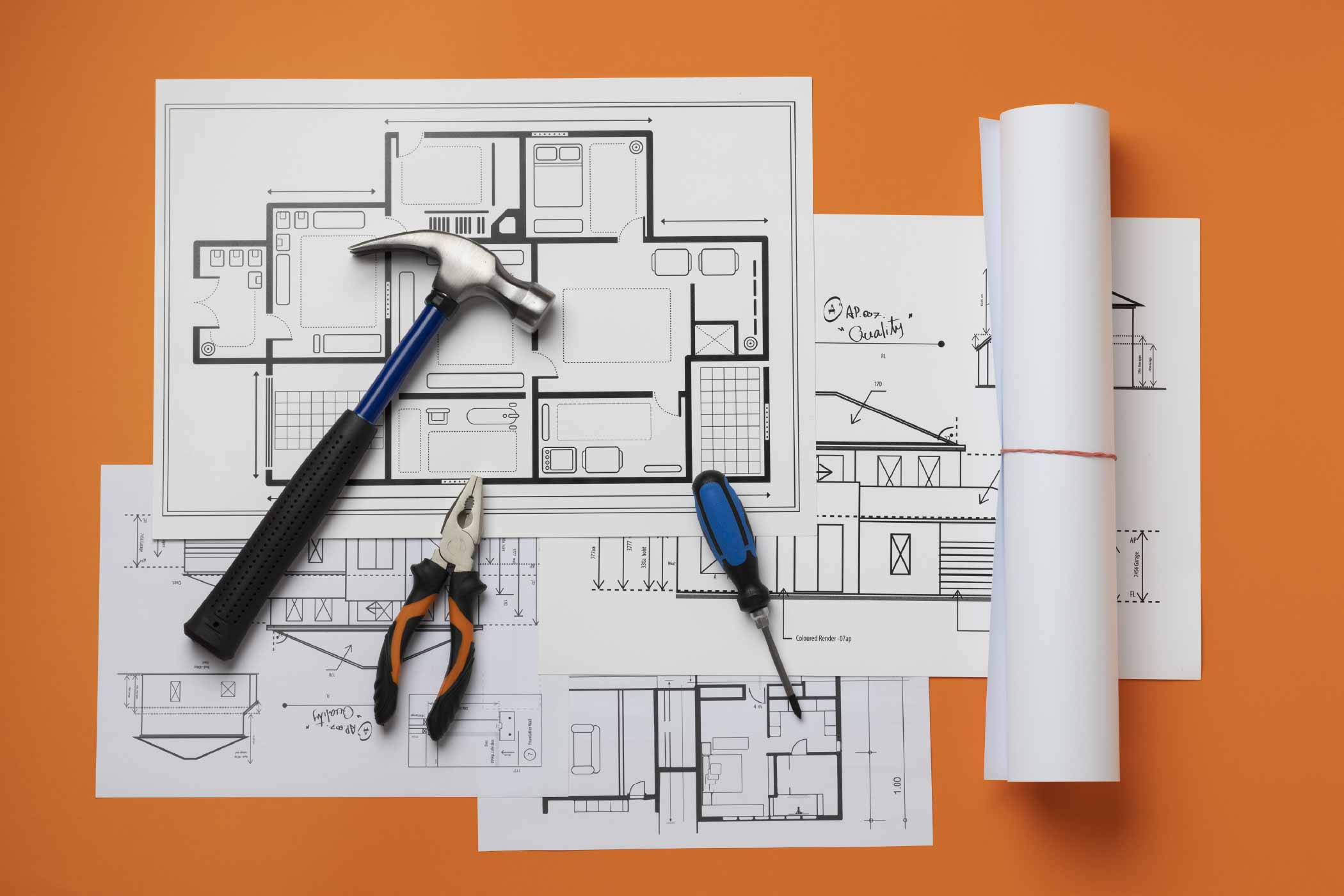
Where You Should Not Cut Costs in 2026
Still, there are things you should not try to attempt yourself.
Do not experiment with:
- waterproofing
- electrical
- plumbing
- structural carpentry
- compliance-related works
These are not Pinterest or Xiaohongshu decisions. These are liability decisions.
If Budget 2026 doubled down on infrastructure, sustainability and system stability, why would you weaken the infrastructure inside your own home?

The Hidden Cost of Renovation in 2026: Coordination Failure
Here’s the part nobody advertises.
Hybrid renovation collapses when:
- delivery dates don’t align
- specs are not documented
- installers “figure it out”
- responsibility floats between parties
Many renovation mistakes to avoid in 2026 stem from poor sequencing and unclear responsibility.
And when that happens? You don’t lose money on the product. You lose money on:
- rework
- delay
- stress
- downtime
- relationship strain
Budget renovation fails not because of Taobao. It fails because no one engineered the sequence.

How SIXiDES Vouchers Help Manage Renovation Budget in 2026
In a year where the national Budget helps households breathe slightly easier, SIXiDES vouchers are designed to do the same.
Not to make you spend more. But to:
- reduce total renovation and furnishing financial load
- make the homeowner prioritise non-negotiables
- shift savings into fundamentals
- stretch runway without compromising safety
Used strategically, they stabilise your project rather than inflate it.

2026 Is The Year of Renovation Literacy
In my view, this is the year we officially shift beyond aesthetics.
The idea of “my carpentry must impress relatives” is being replaced by:
“I sourced this online.”
“I got this from China and local installers executed it.”
This is a new kind of renovation literacy.
It opens opportunities for homeowners who:
- plan earlier
- commit later
- demand documentation
- understand integration
- separate sourcing from execution
- respect sequence
Budget renovation in Singapore in 2026 is not about spending less. It is about allocating better.
PM Lawrence Wong’s Budget 2026 was not loud. It was calibrated.
Your renovation should be the same.
Not loud. Calibrated.
Because the home you anchor in uncertain times is not just a design decision.
It is a financial philosophy.
Frequently Asked Questions About Budget Renovation in Singapore (2026)
How much does a budget renovation cost in Singapore in 2026?
A basic HDB renovation in Singapore typically starts from $30,000 to $50,000 depending on scope. Larger resale flats or condominiums can exceed $80,000 depending on customisation and structural work.
Is renovation more expensive in 2026?
Material costs have stabilised compared to pandemic peaks. However, labour and coordination risks remain. The real financial risk in 2026 lies in poor planning and rework.
What is hybrid renovation in Singapore?
Hybrid renovation refers to mixing local contractors for core works with overseas sourcing for furniture, lighting or accessories through platforms like Taobao or Shopee.
Where should homeowners not cut costs during renovation?
Homeowners should avoid cutting costs on waterproofing, electrical works, plumbing and structural carpentry due to compliance and safety risks.
How can I reduce renovation cost without compromising safety?
Focus on scope clarity, documentation, sequencing and professional coordination. Reallocate savings from decorative items into structural fundamentals instead of reducing critical works.