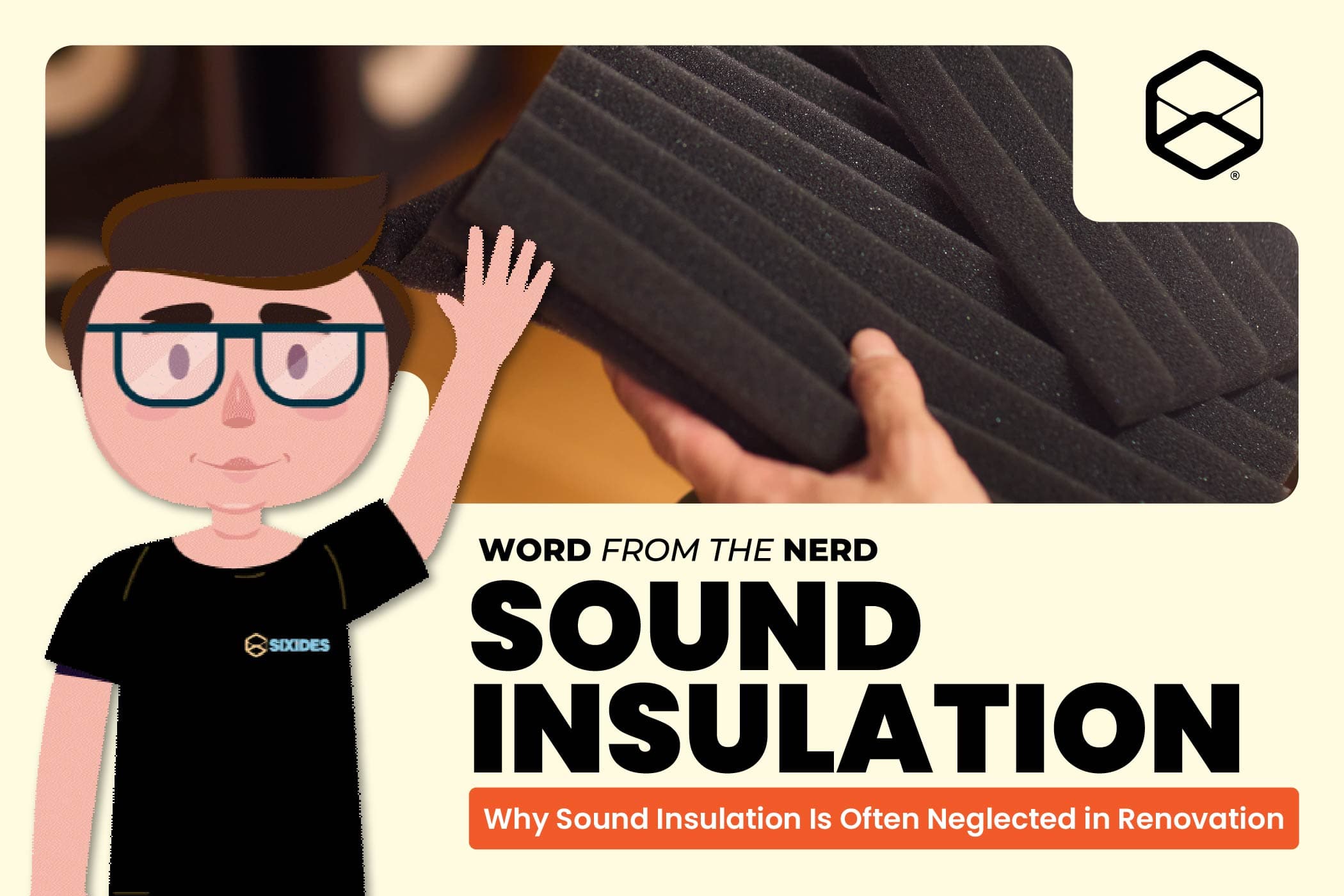
There are very few renovation items that homeowners think they understand, but actually don’t. Sound insulation is one of them.
On paper, it looks reassuring:
- Thicker walls
- Special boards
- Acoustic panels
- Impressive numbers thrown around in decibels
In reality, sound insulation is often where expectations and outcomes quietly drift apart, until someone moves in, shuts the door, and realises they can still hear everything. And by then, it’s already too late.

The First Misunderstanding: “Soundproof” Doesn’t Mean What You Think It Means
Let’s clear this up early.
There is no such thing as true soundproofing in residential renovation. What you’re actually getting is sound reduction, not sound elimination. This distinction matters, because most disputes around sound insulation don’t come from fraud, they come from assumed outcomes that were never technically promised.
When a homeowner says:
“I want soundproofing”
What they often mean is:
“I don’t want to hear my neighbour / my kids / traffic / my partner’s Zoom calls”
Those are very different technical problems, but they’re often lumped into one vague line item called “sound insulation works”.
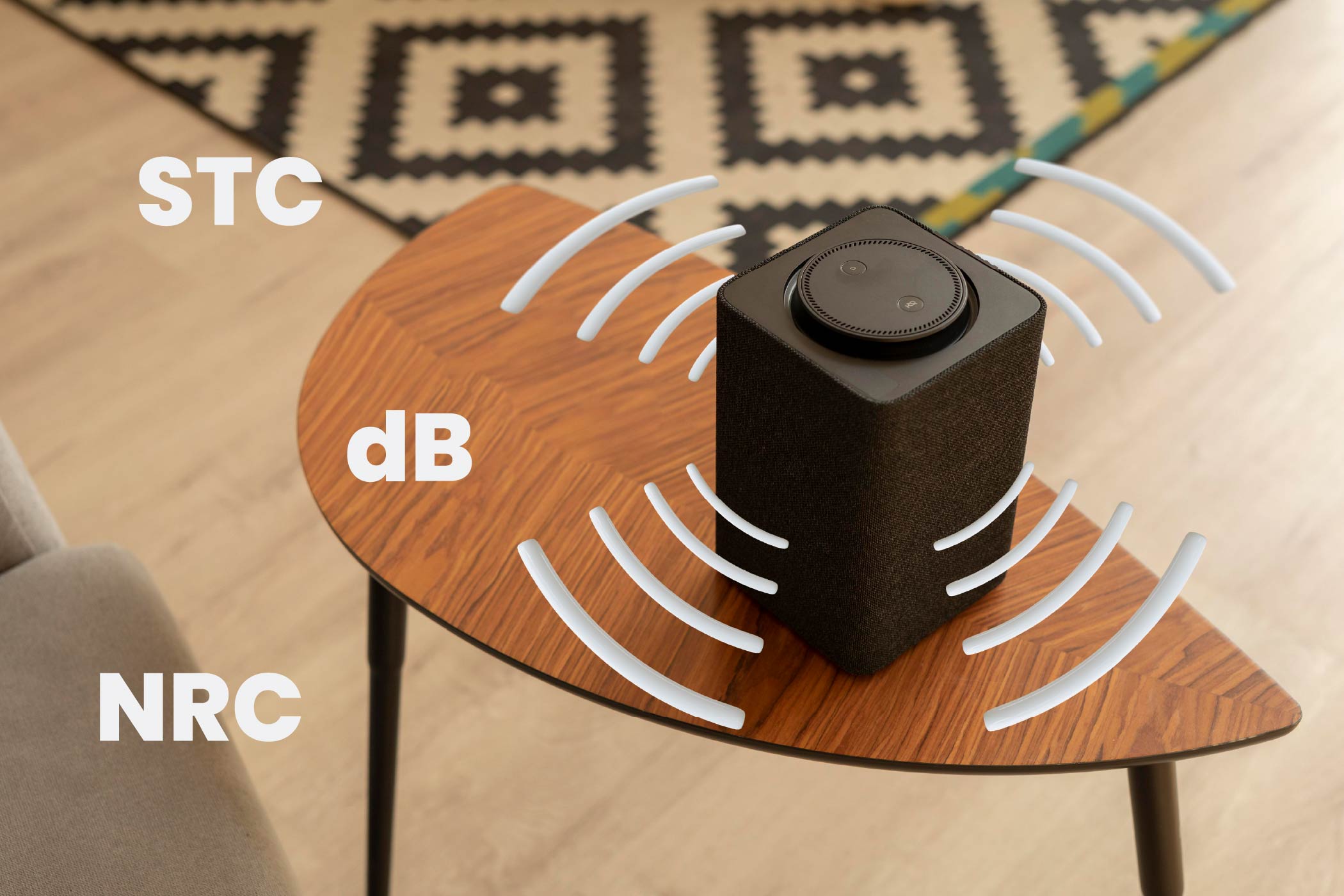
The Numbers Problem: STC, NRC, dB and Why They Confuse Everyone
Sound insulation is one of the few renovation areas where metrics exist, but are rarely explained.
You may hear terms like:
- STC (Sound Transmission Class)
- NRC (Noise Reduction Coefficient)
- dB reduction
Here’s the issue:
- STC measures how well a wall blocks sound through it
- NRC measures how much sound a surface absorbs within a space
- Neither guarantees silence
- Neither accounts or workmanship, gaps, flanking paths, or structure-borne sound
Yet in many quotations, these numbers are:
- Dropped without explanation
- Not tied to a specific wall build-up
- Not tested on site
- Not audited post-completion
So homeowners think they bought performance — when they actually bought materials with theoretical ratings.

Sound Travels Like Water (And Finds Every Crack)
Here’s the uncomfortable truth:
You can install the best acoustic board in the world and still fail. Why?
Because sound:
- Travels through gaps
- Bypasses walls via ceilings and floors
- Leaks through sockets, door frames, and junctions
- Vibrates through structure, not just air
One unsealed edge.
One hollow door.
One overlooked ceiling void.
And your “sound insulated room” becomes… less so.
This is why sound insulation is a system, not a product.

Where Renovation Commonly Goes Wrong
From years of observation, sound insulation issues usually stem from one (or more) of these:
1. Outcome not defined
- “Reduce noise” is not a measurable goal.
2. Specification not explicit
- Material listed, but wall build-up unclear.
3. Assumption of performance
- Homeowner assumes silence; contract never states it.
4. No pre-work advisory
- Limitations not explained upfront. Renovators not versed in acoustics.
5. No post-work verification
- No testing, no benchmark, no reference point.
None of the above means a malicious intent on the renovator’s part.
Just a lack of structure.

The Real Question Homeowners Should Ask
Instead of asking:
“Is this soundproof?”
Ask:
- What type of sound are we reducing?
- From where, to where?
- By approximately how much?
- Under what conditions?
- And what are the limitations?
If these questions make a quotation uncomfortable, that’s usually a sign something important is missing.

Why Sound Insulation Is a Dispute Magnet
Sound is subjective.
Two people can stand in the same room and disagree on whether something is “acceptable”.
That’s why sound insulation, without:
- Clear expectations
- Defined scope
- Documented intent
often becomes a post-handover argument, not a construction defect.
And once walls are sealed, rectification is invasive, expensive, and emotionally charged.

The Nerd’s Take
Sound insulation isn’t a scam.
It isn’t magic either.
It’s one of those renovation areas that demands clarity more than optimism. If there’s one takeaway from all this, it’s simple:
If a renovation item cannot be visually inspected after completion, it must be conceptually understood before work begins.
That’s not about mistrust.
That’s about design literacy.
Most renovation problems aren’t caused by bad actors.
They’re caused by grey zones, vague language, assumed outcomes, and unspoken expectations.
Sound insulation just happens to be one of the quietest examples of this problem. And as with most things in renovation, what you don’t define early tends to come back louder later.