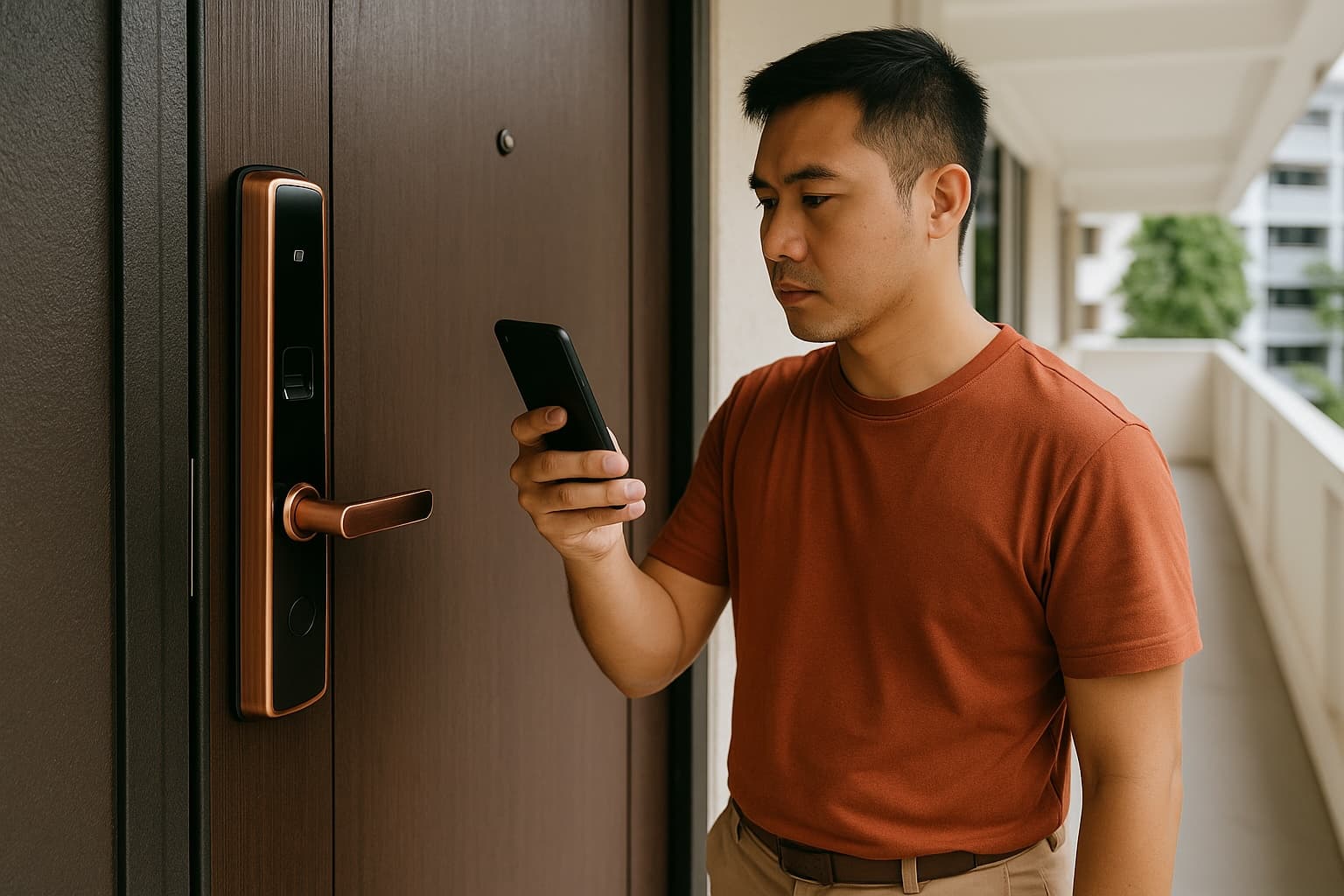
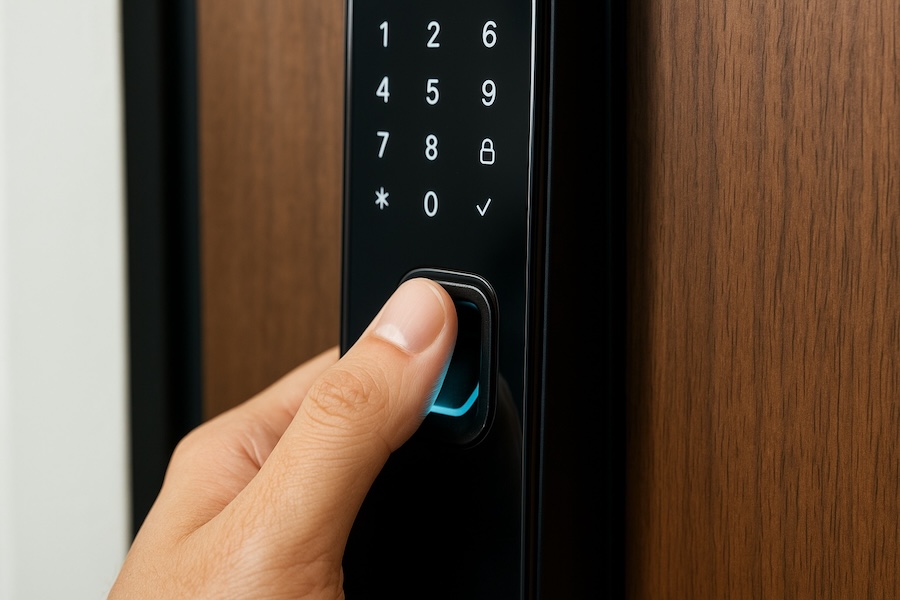
Smart digital locks have become an increasingly common sight in Singapore homes, offering keyless convenience and quick everyday access. But a recent report by CNA revealed a troubling undercurrent behind their rising popularity: a growing number of homeowners are running into problems after purchasing low-cost digital locks from online marketplaces, particularly those produced by overseas OEM factories and sold under multiple brand names.
Locksmiths interviewed in the report described a steady increase in malfunction complaints. Many of the affected locks worked well at first, only to develop faults after months of daily use. Batteries drained prematurely. Motors weakened. Circuit boards corroded under humidity. Others jammed because they did not match local door cut-outs or were installed by untrained freelancers. In serious cases, homeowners had to replace their entire fire-rated door because the locks they purchased simply did not fit.
In August, more than 50 residents temporarily lost remote access to their locks when a distributor–manufacturer dispute resulted in the disabling of app functions. Although the physical locks still operated, the incident highlighted an important issue: homeowners rarely understand who truly controls the digital ecosystem behind their lock.
These incidents do not mean digital locks are inherently unreliable. Rather, they show what happens when products built for different markets are installed in Singapore without proper certification, support or consideration for the environment they must withstand.
In addition to shedding light on the ongoing situation, SIXiDES goes a step further by finding out what homeowners need to know about shopping for and selecting the right digital lock for their home.
Why These Problems Keep Happening
Digital locks are sensitive to their environment, and Singapore presents a unique set of challenges. Most HDB and condominium doors are heavy, fire-rated and cut to fixed mortise standards. Temperature shifts cause wooden doors to expand, compressing the lock. Humidity accelerates corrosion. And in high-density flats, doors are opened and closed far more frequently than in larger overseas homes. These conditions amplify weaknesses in any lock not designed for the local market.
Ricky Ang, Business Development Head of local digital lock specialist AN Digital Lock, says he has seen the same scenario repeat itself across countless households throughout the 12 years he has been with the company supplying and installing digital locks across HDBs and condominiums.
“The first red flag is when there’s no local on-site warranty,” Ricky says. “The next is an extremely low price. A lock cannot be sold that cheaply and still come with proper support. When something goes wrong, the seller disappears, and the homeowner is left with the problem.”
Compatibility is another recurring issue. “Overseas OEM locks often do not follow Singapore mortise standards,” Ricky explains. “Homeowners only discover this at installation. By then, they have already committed to a lock that does not fit, and the extra costs start to pile up.”
Fire-rating is the most overlooked risk. When a non-certified lock is installed on a fire-rated door, the door’s certification becomes invalid, a detail that can affect insurance claims during emergencies.
Inside the Lock: What Fails Most Often
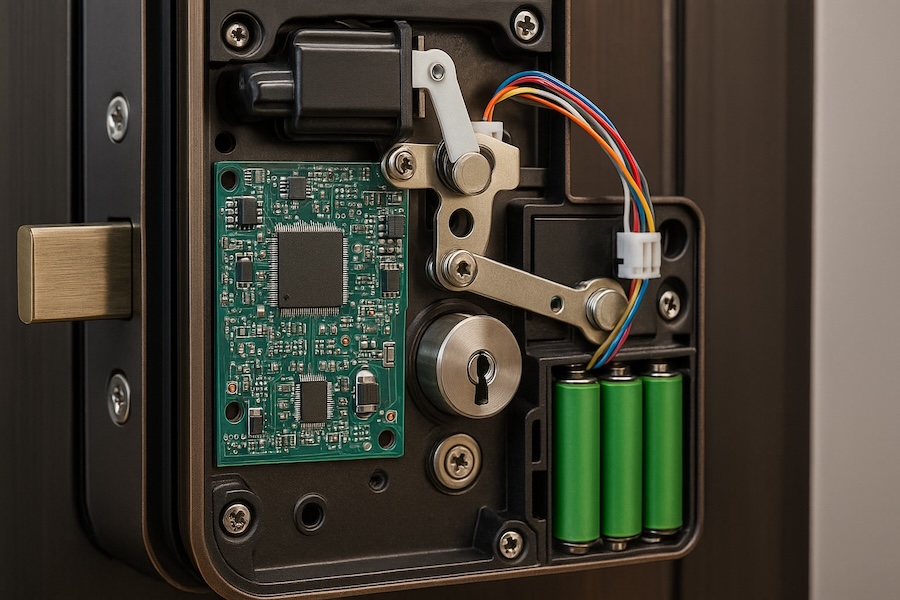
A digital lock’s reliability is shaped by a handful of critical components.
Motors: Low-end motors fatigue quickly under frequent use, especially when doors slam or alignment is off.
PCBs (Circuit Boards): “If the PCB is not coated or sealed, humidity will eventually cause corrosion,” Ricky says. “That’s when the lock starts behaving unpredictably.”
Batteries: Homeowners often use lithium, rechargeable or heavy-duty batteries that produce unstable voltage. Ricky stresses that alkaline batteries should always be used and replaced every six months. He recommends Panasonic Evolta and Duracell.
Installation Quality: The Hidden Variable Behind Most Failures
A properly designed lock can still fail prematurely if the installation is poor. Misaligned drilling, incorrect chiselling or insufficient clearance space can stress the motor and jam the mechanism.
“Installation is not a simple mechanical task,” Ricky says. “It involves understanding the material of the door, recognising how it expands during colder months, allowing for movement and making sure the lock sits with the right tolerance. If it is too tight, it will fail. If it is too loose, it will not lock securely.”
Cheap online purchases often come with outsourced installers who may not understand Singapore’s fire-rating requirements, door structures or modification rules.
Authorised, Parallel Import or OEM: Why It Matters
Digital locks reach Singapore through three different channels:
Authorised units: Official distributor support, on-site warranty and parts availability.
Parallel imports: Genuine locks bought overseas but sold locally without warranty or support.
OEM models: Generic lookalikes with varying internal quality, usually with no local support.
To verify that a lock is an authorised unit, homeowners should check whether the brand has a registered Singapore presence, confirm the warranty covers on-site servicing, read real Google reviews from local customers and ensure the lock has fire-rating certification where required.
The Hidden Costs Behind “Cheap” Digital Locks
The upfront savings of a cheap lock often disappear once real-life problems surface. Downstream expenses can include break-lock service fees, door modification, importing replacement parts, long repair downtime, full lock replacement and, in severe cases, replacement of the entire door.
When a Lock Reaches End of Life
Every smart device eventually becomes unsupported. Authorised distributors usually stock enough spare parts to service older models.
Ricky notes that if a lock under warranty cannot be repaired due to unavailable parts, homeowners have the right to request a replacement unit.
OEM and parallel-import locks offer no such safety net. When parts fail, replacement becomes the only option, and if the lock is incompatible with the door’s cut-out, door replacement may also be required.
Where Digital Locks Are Headed Next
The next generation of digital locks is moving towards stronger biometric accuracy, AI-assisted recognition, unlocking via wearables, improved offline fail-safes and smarter ecosystem integration. These upgrades will benefit households that truly need them.
But homeowners should also evaluate whether they genuinely require WiFi capabilities. Those concerned about digital mismanagement, remote-access issues or cloud dependencies may prefer the reliability of offline models.
A More Informed Way to Choose a Digital Lock
Digital locks are reliable and secure when chosen carefully, installed correctly and supported by reputable distributors. The cases highlighted by CNA reflect the consequences of choosing based on price alone, not the limitations of the technology itself.
With a clear understanding of certification, components, installation quality and hidden costs, homeowners can make confident decisions that enhance both convenience and long-term safety.
The Three Most Common Owner Mistakes That Lead to Lock Failure
1) Using lithium, rechargeable or heavy-duty batteries
2) Skipping preventive six-month battery changes
3) Slamming doors without a door closer
What Installers Look For Before Approving a Job
1) Clearance for door expansion
2) Mortise compatibility
3) Door–frame alignment
4) Condition of the door closer
5) Integrity of the door core
6) Whether chiselling affects structure
Plan Your Home Upgrade with Confidence
If you're installing a digital lock or upgrading your main door, get trusted support every step of the way. Use the SIXiDES eQuote tool to compare verified installers or let Find My ID match you with vetted interior designers who understand door standards, fire-rating rules and home security needs.
Your home deserves expert guidance.